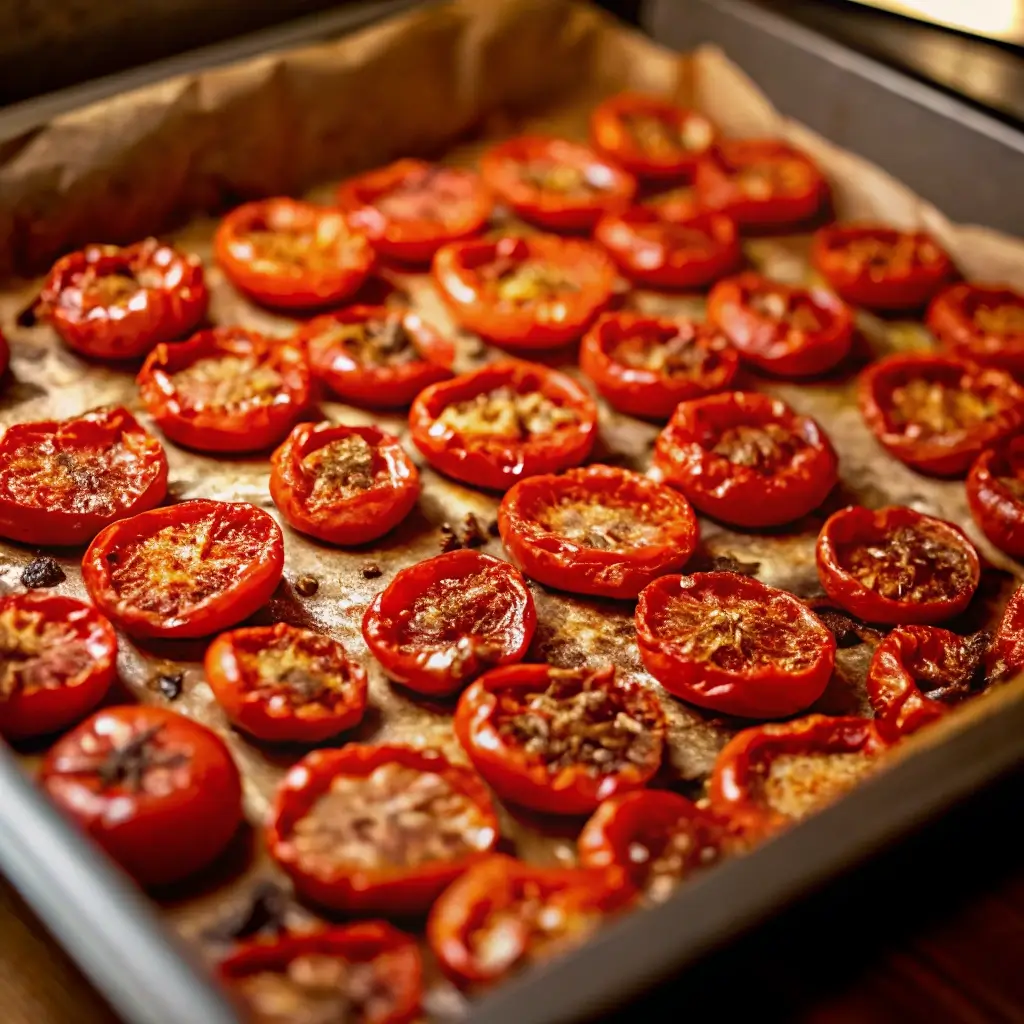
Easy Dehydrated Cherry Tomatoes: Extend Shelf Life for Gourmet Meals
Imagine biting into the intense sweetness of a summer-ripe cherry tomato, even in the dead of winter. It sounds like a dream, but with the simple art of dehydrating, this culinary fantasy becomes a delicious reality. Dehydrating cherry tomatoes is a game-changer for home cooks, transforming these juicy seasonal gems into concentrated flavor bombs that can elevate countless dishes year-round. Far more than just preserving, this process intensifies their natural sugars by up to 300%, while impressively retaining about 90% of their vital nutrients. If you've ever found yourself with an abundance of cherry tomatoes, whether from your garden or a farmers' market haul, learning how to dehydrate cherry tomatoes is the perfect way to savor that peak-season goodness long after summer fades.
This comprehensive guide will walk you through every step, from selecting the perfect fruit to creative storage methods and inspiring culinary uses. Get ready to unlock a whole new dimension of flavor and extend the life of your favorite tomatoes with remarkable ease.
Why Dehydrate Cherry Tomatoes? Unlocking Concentrated Flavor and Extended Life
The magic of dehydration lies in its ability to remove moisture while leaving behind and concentrating all the wonderful flavors and nutrients. When it comes to cherry tomatoes, this effect is nothing short of spectacular. The natural sugars become more pronounced, resulting in an intensely sweet and tangy burst in every bite. This is particularly true for heirloom varieties, which develop an unparalleled sweetness when dried.
- Flavor Amplification: As mentioned, dehydration can concentrate the flavor by up to 300%. This means a small handful of dehydrated tomatoes can impart more taste than a larger quantity of fresh ones, making them a powerful ingredient in your kitchen.
- Nutritional Preservation: Unlike some preservation methods, dehydrating is gentle on nutrients. You're retaining approximately 90% of the vitamins, minerals, and antioxidants present in fresh tomatoes, ensuring your meals are both delicious and healthy.
- Extended Shelf Life: This is perhaps the most practical benefit. Fresh cherry tomatoes last mere days on the counter. Once dehydrated and stored properly, their shelf life extends to months, providing you with a pantry staple that's always ready to go. This not only reduces food waste but also allows you to enjoy the taste of summer during colder seasons when fresh, flavorful tomatoes are scarce and expensive.
- Versatility: Dehydrated cherry tomatoes are incredibly versatile, fitting seamlessly into a vast array of dishes, from simple snacks to gourmet entrees.
Getting Started: Essential Prep for Perfect Dehydrated Cherry Tomatoes
The journey to perfect dehydrated cherry tomatoes begins with careful selection and preparation. This initial phase is quick – typically just 15 minutes – but crucial for ensuring optimal flavor and texture in your final product.
Choosing Your Tomatoes
Opt for the freshest, ripest cherry tomatoes you can find. Look for:
- Firmness: They should yield slightly when squeezed but not be mushy.
- Vibrant Color: Bright reds, yellows, and oranges indicate peak ripeness and flavor.
- No Blemishes: Avoid any with soft spots, cracks, or signs of mold, as these can affect drying time and overall quality.
Locally grown or organic tomatoes are often superior in flavor, which will directly translate to a more delicious dehydrated product. While cherry tomatoes are ideal due to their size, this method also works well for grape or other small tomato varieties.
Preparation Steps
- Wash Thoroughly: Rinse your cherry tomatoes under cool running water to remove any dirt or debris. Pat them completely dry with a clean towel.
- Slice in Half: This is arguably the most important step for even dehydration. Slicing each cherry tomato in half exposes more surface area, allowing moisture to escape efficiently. For larger cherry tomatoes, you might even quarter them.
- Optional Seasoning: While not strictly necessary, seasoning can significantly enhance the flavor of your dehydrated tomatoes.
- Olive Oil: A light toss with high-quality extra virgin olive oil adds richness and a lovely sheen. For oven dehydrating, avocado oil is a good alternative due to its higher smoke point. For an oil-free option, a spritz of lemon juice can add brightness.
- Sea Salt: A sprinkle of flaky sea salt (like Maldon) or fine sea salt brings out the tomatoes' natural sweetness and adds a savory depth.
- Herbs & Spices: Dried herbs such as oregano, basil, thyme, or a pre-mixed Italian seasoning work wonderfully. For a savory kick, a little garlic powder is an excellent addition. If using fresh herbs, remember they contain more moisture and should be used sparingly or dried separately before storage in oil.
- Arrange on Trays: Whether you're using a dehydrator or an oven, arrange the tomato halves cut-side up (or down, opinions vary, but cut-side up allows more direct moisture evaporation) in a single layer on your dehydrator trays or baking sheets. Ensure they are not touching each other to allow for proper airflow.
The Dehydration Process: Dehydrator vs. Oven Method
Once your tomatoes are prepped, it's time for the core process. You have two primary methods, each with its advantages.
The Dehydrator Method: Effortless & Efficient
Using a food dehydrator is undoubtedly the easiest and most hands-off approach. It allows for consistent low heat and airflow, making it perfect for achieving that ideal chewy texture.
- Temperature Setting: Set your dehydrator to a low temperature, typically between 125-135°F (52-57°C). This gentle heat ensures even drying without "cooking" the tomatoes.
- Timeframe: Dehydration time varies based on your dehydrator model, the size and moisture content of your tomatoes, and your desired texture. Expect anywhere from 4 to 12 hours. For a slightly dry, chewy consistency with still a bit of tomato texture and dry edges, around 4-6 hours is often sufficient. For very dry, leathery tomatoes, it might take longer.
- Checking for Doneness: The tomatoes should feel pliable and leathery, not brittle. Squeeze one; no moisture should appear. They should have a slightly dry, chewy edge. It’s better to slightly under-dry than over-dry if you prefer a chewier texture.
For a detailed comparison and further tips on optimizing your drying time, you might find our guide Master Dehydrating Cherry Tomatoes: Chewy Morsels in Hours (Oven Too) particularly helpful.
The Oven Method: Accessible & Effective
Don't have a dehydrator? Your oven can do the trick! It requires a bit more attention but is a perfectly viable option.
- Low Temperature: Preheat your oven to its lowest possible setting, typically around 175-200°F (80-93°C).
- Airflow is Key: To allow moisture to escape, prop the oven door open slightly (a wooden spoon works perfectly) throughout the drying process.
- Baking Sheets: Line baking sheets with parchment paper or silicone mats to prevent sticking and make cleanup easier. Arrange tomatoes cut-side up.
- Timeframe: This method generally takes longer than a dehydrator, often 6-12 hours, sometimes more. You'll need to monitor them closely.
- Monitoring & Flipping: Check the tomatoes periodically (every 1-2 hours) and flip them halfway through the drying time to ensure even drying.
- Doneness: Look for the same leathery, pliable texture as with the dehydrator method.
Storing Your Dehydrated Cherry Tomatoes for Lasting Freshness
Proper storage is essential to maintain the quality and extend the shelf life of your beautifully dehydrated cherry tomatoes.
- Cool Completely: Before storing, ensure your tomatoes are completely cool. Storing warm tomatoes can create condensation, leading to mold.
- Airtight Containers: Transfer the cooled tomatoes to clean, airtight jars or food-grade containers. Mason jars with tight-fitting lids are excellent for this.
- Basic Storage:
- Room Temperature: For short-term use (a few weeks), a cool, dark pantry is suitable.
- Refrigeration: For longer storage (up to 6 months), keeping them in the refrigerator is best.
- Freezing: For maximum longevity (up to a year or more), place them in freezer-safe bags or containers and freeze them.
- Oil-Packed Storage (Gourmet Option): This is a popular and delicious way to store them, infusing them with extra flavor.
- Layer the dehydrated tomato halves into clean canning jars.
- Add dried thyme branches or other dried herbs from your garden. Important: Ensure herbs are completely dry before adding them to oil, as fresh herbs contain moisture that can lead to spoilage.
- Pour a good quality fruity olive oil over the tomatoes, ensuring they are completely submerged. The oil acts as a preservative and also becomes deliciously infused with tomato and herb flavors.
- Store these oil-packed jars in the refrigerator. They will last for several weeks, ready to be scooped out and used in your next gourmet creation.
To truly make the most of your summer bounty and maximize the preservation benefits, explore more insights in our article: Dehydrate Cherry Tomatoes: Unlock 300% Flavor, Preserve Summer.
Beyond Preservation: Creative Culinary Uses for Dehydrated Cherry Tomatoes
The beauty of dehydrated cherry tomatoes lies not just in their extended life, but in their incredible versatility in the kitchen. Their concentrated flavor makes them a powerhouse ingredient:
- Pasta Dishes: Toss them directly into warm pasta with fresh herbs, garlic, and a drizzle of olive oil for a simple, flavorful meal. They're also fantastic layered into lasagne, added to pasta salads, or stirred into a rich marinara.
- Protein Enhancer: Sprinkle them over sautéed chicken, fish, or tofu to add a burst of sweet-tart flavor. They pair exceptionally well with grilled salmon.
- Sandwiches & Wraps: Elevate your everyday sandwiches, paninis, or wraps with a few chewy pieces.
- Bruschetta Base: For a quick appetizer, rehydrate them briefly and use them as the flavorful base for bruschetta, perhaps with fresh basil and mozzarella.
- Savory Dips & Fillings: Fold finely chopped dehydrated tomatoes into softened cream cheese, goat cheese, ricotta, or even hummus for an irresistible dip or sandwich spread. They make an excellent filling for omelets, frittatas, or savory tarts.
- Quick Room Temperature Sauce: This is a favorite! Scoop some oil-packed tomatoes with their infused olive oil into a small bowl. Add grated fresh garlic, sea salt, freshly cracked black pepper, a dash of aged balsamic vinegar, and your favorite fresh herbs (like basil or parsley). Let it macerate for 30 minutes, then toss into warm pasta or spoon over grilled meats and vegetables.
- Snack Attack: Enjoy them straight from the jar as a chewy, healthy, and incredibly flavorful snack.
Rehydration Tip: If a recipe calls for rehydrated tomatoes, simply soak them in warm water or broth for 15-30 minutes until plumped, then drain and use as directed.
Conclusion
Dehydrating cherry tomatoes is a culinary skill that offers immense rewards for minimal effort. From preserving the vibrant flavors of summer to having a versatile, nutrient-dense ingredient always on hand, the benefits are clear. Whether you opt for the 'set it and forget it' ease of a dehydrator or the accessible oven method, you'll be creating gourmet morsels that will elevate your meals and impress your palate. So, next time you find yourself with a bounty of beautiful cherry tomatoes, don't let them go to waste. Embrace the simple magic of dehydration and enjoy the sweet taste of summer all year long!
